Dear Reader,
If you have worked in a social development context, you will know how hard it is to communicate your work. You want the person you are talking to, who could be a decision maker or a funder, to resonate that the issue you are raising is valuable and requires action. Put in this in the context of all public health and social challenges that exist, its a tall order to give attention to “your” issue.
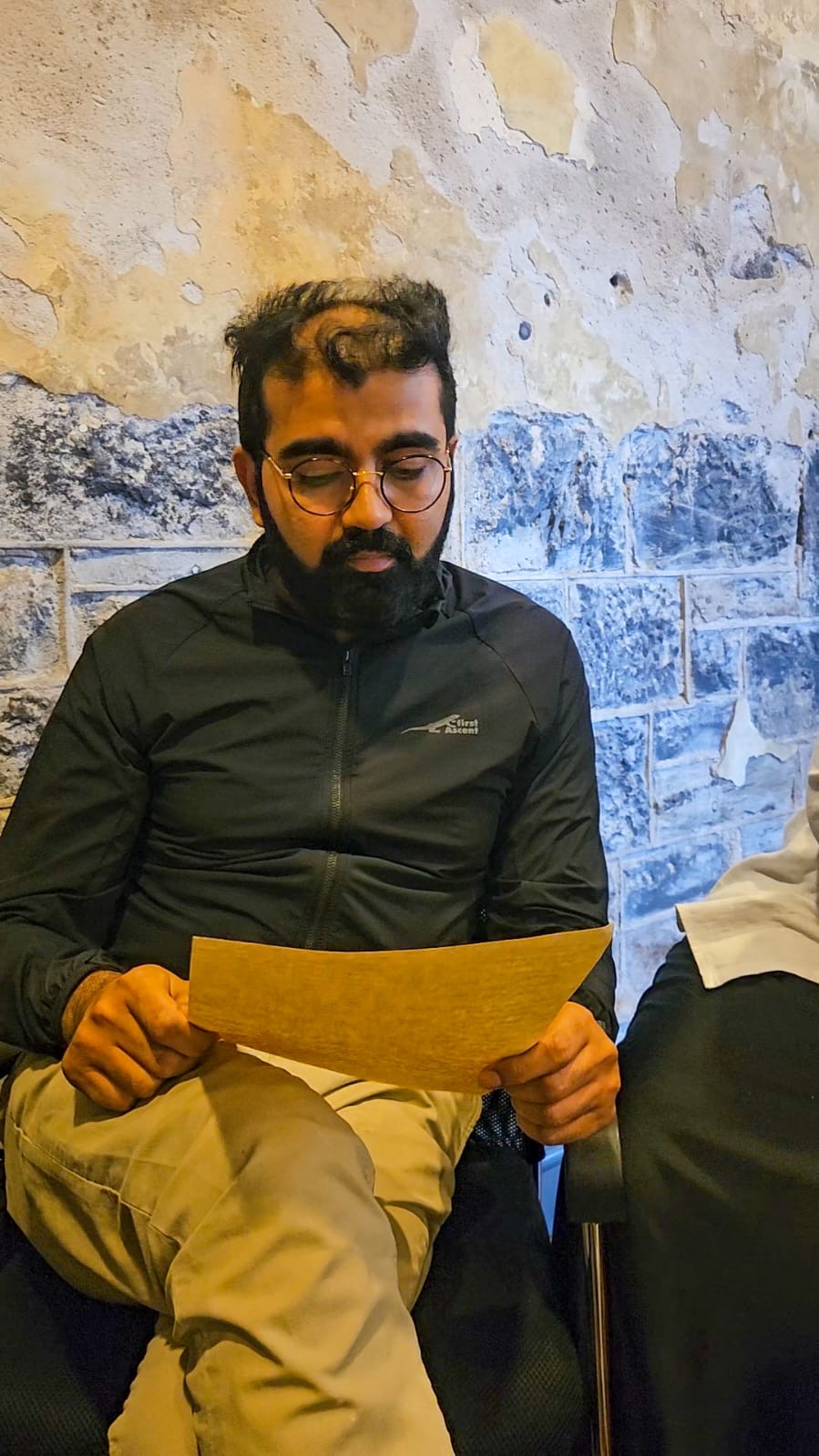
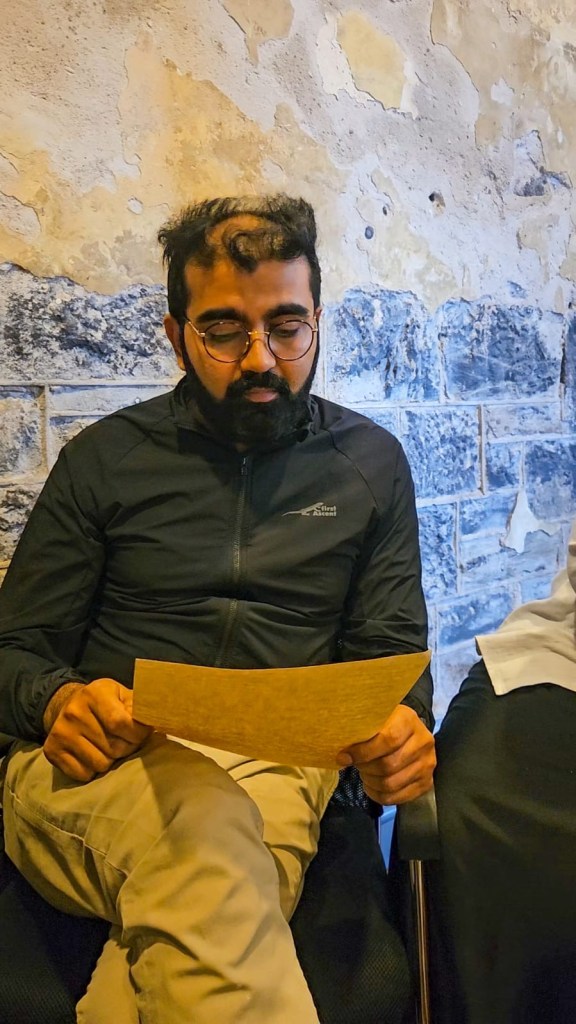
It was refreshing to then come across a methodology recently that helped me look at climate change from a personal story. In the middle of attending a thoroughly refreshing Open Book Festival, I got to attend a workshop led by the Climate Lounge team. The workshop had a simple idea, we had to write to someone we cared about in the year 2050 and share with them what our version would look like based on how we saw the world going. There were various ways that I could have possibly envisioned the future and as someone who generally leads towards thinking about the cons first, I was genuinely surprised at how thinking about a person I cared about changed my perspective towards the positive. Below is a letter I wrote to my wife’s brother, someone I deeply care about. I put snippets of what I thought this future world would look like for him.
The methodology used by the team inspired me to hope and learn, as a facilitator, on how to shift narratives so that we can view it through our lens. You can read my letter below. I have removed my brother in law’s name to protect his identity but I urge you to replace it with the name of a person you love and care about.
The Letter
Dear [person name],
When I was younger, all jobs were in one place, “the center”. People would travel two hours longer to get to their jobs so that they could earn enough to live, nay, to exist. Cars dominated the world. There was, in fact, more space for cars to park than for people to live.
People lived in spaces we called “informal settlements”. The name was inhumane, and the conditions of living were inhumane as well, but today it’s different, my dear [person name]. Houses have become homes. No informal settlement exists, and replacing them are dignified homes where people can live. Cars are disappearing, and capitalism has eroded. Replacing them have come systems and places that work for people for you. People have moved closer to work, and the work has moved closer to people, our energy sources are green, or spaces are even greener.
[Person name], I don’t know what led to this. I don’t know if it was just one person or many people. I think it was minimal moments where people rose up and expressed that it just wasn’t working. The “10%” inflation was unsustainable. Homeless people weren’t criminals. We all learned we could all be these “criminals” one paycheque away. The beautiful world that we live in today gives rights to this beautiful earth to you and future generations. The wars have stopped people are being treated equally. People are being treated equally, regardless of their race, culture, status, or where they come from. The words “but where are you really from”, that pained my heart, are disappearing?
I think it’s because we finally started talking about the real problem without following the predetermined guidelines on how to speak.
Elected people finally started to represent us rather than the people who paid for them to get there.

 Aliasgher Janmohammed