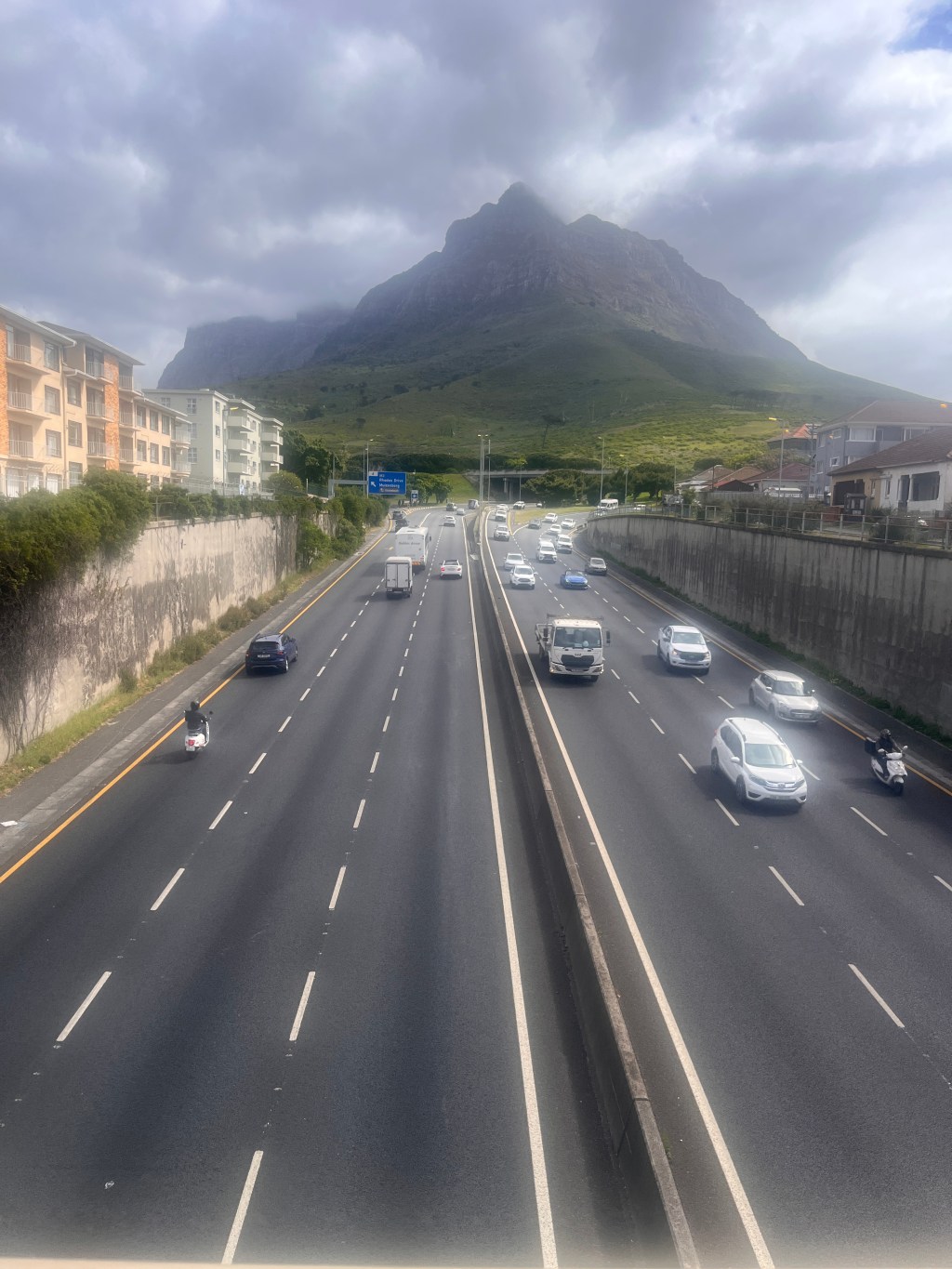
Every year, South Africa loses approximately 12,000 people to road fatalities. This burden falls disproportionately on those with the least voice in how our roads are designed and used: pedestrians, cyclists, and children. As we mark October Transport Month, it’s a timely reminder to revisit the research, insights, and recommendations that emerged from my work between 2016 and 2020; lessons that remain starkly relevant to South African roads today.
The Pedestrian Crisis
The scale of pedestrian deaths in South Africa reflects a fundamental problem: our roads were not built with pedestrians in mind. Yet pedestrians represent the majority of our road users. This contradiction sits at the heart of our road safety crisis.
Consider public transport users, they are pedestrians too, often walking long distances to reach stations and bus terminals. In rural areas, children walk to school along roads designed for vehicles, sometimes traveling alone over considerable distances. These children navigate complex interactions with traffic for which neither they nor the roads are adequately prepared.
During my work with ChildSafe and Open Streets, we documented the lived reality of this disconnect. We filmed a nine-year-old girl, Ovayu, walking to school, and what became immediately apparent was how her stature and the current road design worked against her. She faced hurdle after hurdle, crossing streets designed for adult stride lengths, sightlines blocked by parked vehicles, intersections that offered no safe passage. A simple journey to school became an obstacle course.
This is not a rare case. It represents the daily reality for millions of South African children.
What the Research Revealed
Through our work, several key insights emerged about what effective road safety interventions require:
District-level interventions matter. Road safety cannot be addressed through one-size-fits-all national policies alone. Different communities face different challenges. A rural setting where children walk long distances requires different solutions than an urban area with high vehicular traffic. Interventions need to be tailored to local context, designed at the district level where that context is oriented to how people use the streets.
Pedestrians and cyclists are disproportionately killed not in areas close to their homes, but in areas close to their destinations. This might seem counterintuitive, but the data was clear. In Cape Town, research shows that pedestrians walk more than 60 minutes per day, often crossing high-speed arterial roads to reach their destinations. This means road fatalities are concentrated in specific travel corridors, not distributed evenly across residential areas. The implication is significant: interventions targeting pedestrian and cyclist safety need to be introduced at their destinations. We must protect the routes people travel, not just the places they live.
Data should drive prioritisation. Among the ten key principles we identified as requiring intervention, not all can be tackled simultaneously. Resources are limited. The question becomes: which interventions will have the greatest impact? This is where data becomes crucial. By analyzing fatality patterns, injury data, and risk assessments, we can prioritize strategically. In the Western Cape, for example, enforcement emerged as a priority area based on the data available.
Infrastructure is foundational. None of these interventions matter if the basic infrastructure isn’t there. Pedestrians need safe crossings, protected pathways, and intersections designed with their safety in mind. This infrastructure must account for users of all ages and abilities—from young children to elderly pedestrians.
The Implementation Challenge
What strikes me most about this work, years later, is how relevant these findings remain. The problems haven’t gone away. Neither have most of the solutions been implemented at scale.
We identified ten principles requiring intervention. We gathered data. We made recommendations. Yet the core challenge persists: translating evidence into action. Between knowledge and implementation lies a gap that our road safety crisis continues to fall through.
This Transport Month, as we reflect on road safety, the question isn’t whether we know what needs to be done. The question is how can we make those principles implementable at all levels.
Ovayu deserves roads designed with her in mind. Our 12,000 annual fatalities demand nothing less.
Resources:

 Aliasgher Janmohammed